
{“title”:”The Ultimate Guide to Home Gardening for Beginners”,”content_html”:”
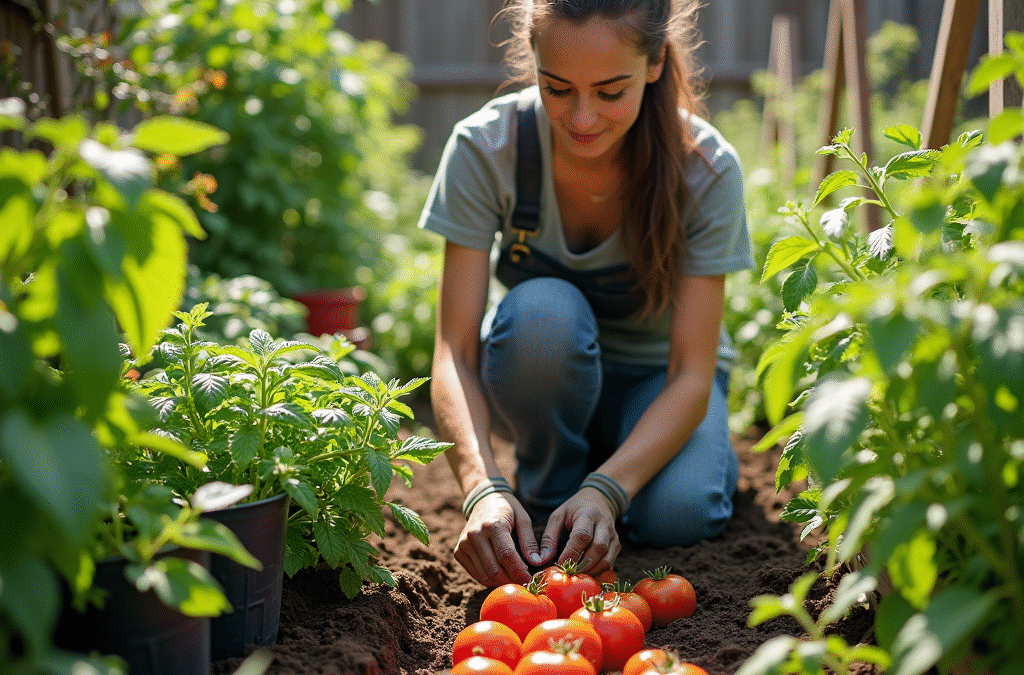
Home gardening can be a rewarding experience, allowing you to grow your own fresh fruits and vegetables right in your backyard. This guide covers everything you need to know to get started, from selecting plants to maintaining your garden.
Introduction
Gardening at home has become increasingly popular, especially as more people seek to embrace sustainability and health. Whether you have a large backyard or just a small balcony, growing your own plants can provide numerous benefits.
Table of Contents
- 1. What is Home Gardening?
- 2. Benefits of Home Gardening
- 3. Getting Started
- 4. Best Plants for Beginners
- 5. Maintenance Tips
- 6. Common Gardening Mistakes to Avoid
- 7. Essential Tools and Resources
- 8. Conclusion
- 9. FAQ
1. What is Home Gardening?
Home gardening refers to the practice of growing plants for personal consumption or enjoyment in a residential area. This can include fruits, vegetables, herbs, and decorative plants.
2. Benefits of Home Gardening
- Fresh Produce: Enjoy fresh, chemical-free fruits and vegetables.
- Cost Savings: Reduce grocery bills by growing your own food.
- Exercise: Gardening is a great way to keep active.
- Mental Health: Spending time in nature has therapeutic benefits.
3. Getting Started
Choosing a Location
Select a site that receives at least six hours of sunlight each day. Ensure the soil drains well and is free from weeds.
Preparing the Soil
Check the soil quality. You might need to amend it with compost or fertilizer to provide nutrients.
4. Best Plants for Beginners
Some of the easiest plants to grow include:
- Tomatoes: Require sunlight and consistent watering.
- Herbs: Basil, mint, and cilantro are simple to manage.
- Radishes: Fast-growing and easy to plant.
5. Maintenance Tips
Watering
Ensure plants receive adequate water, especially in dry conditions. Water early in the morning or late in the afternoon.
Pest Control
Monitor plants for pests and diseases. Employ organic methods of control where possible.
6. Common Gardening Mistakes to Avoid
- Overwatering or underwatering plants.
- Planting too closely together.
- Ignoring weed control.
7. Essential Tools and Resources
Invest in basic gardening tools such as:
- Garden Fork: For loosening soil.
- Trowel: Great for digging small holes.
- Pruning Shears: Useful for trimming plants.
8. Conclusion
Home gardening can be a fulfilling hobby, providing you with fresh produce and a connection to nature. With proper planning and care, you can create a thriving garden.
9. FAQ
What is the best time to plant a garden?
The best time to start planting is in the spring when the soil has warmed up.
Do I need a large space to garden?
No, small spaces like balconies or window boxes can also support gardening.
How often should I water my plants?
It depends on the plant and climate; check the soil moisture regularly.
Is organic gardening better than traditional gardening?
Organic gardening avoids chemicals and promotes environmental health, but both methods can be effective.
How can I improve my soil quality?
Add compost, mulch, or organic matter to enrich the soil.
Can I grow vegetables in pots?
Yes, many vegetables grow well in pots if they have enough space and drainage.
What are companion plants?
Companion plants benefit each other when grown together, such as planting marigolds with vegetables to deter pests.
How do I keep pests away organically?
Introduce beneficial insects, use natural repellents, and keep plants healthy.
When should I harvest my vegetables?
Harvest when they reach maturity, which varies by plant type.
How can I preserve my harvest?
Options include canning, freezing, or drying produce to extend shelf life.
“}